
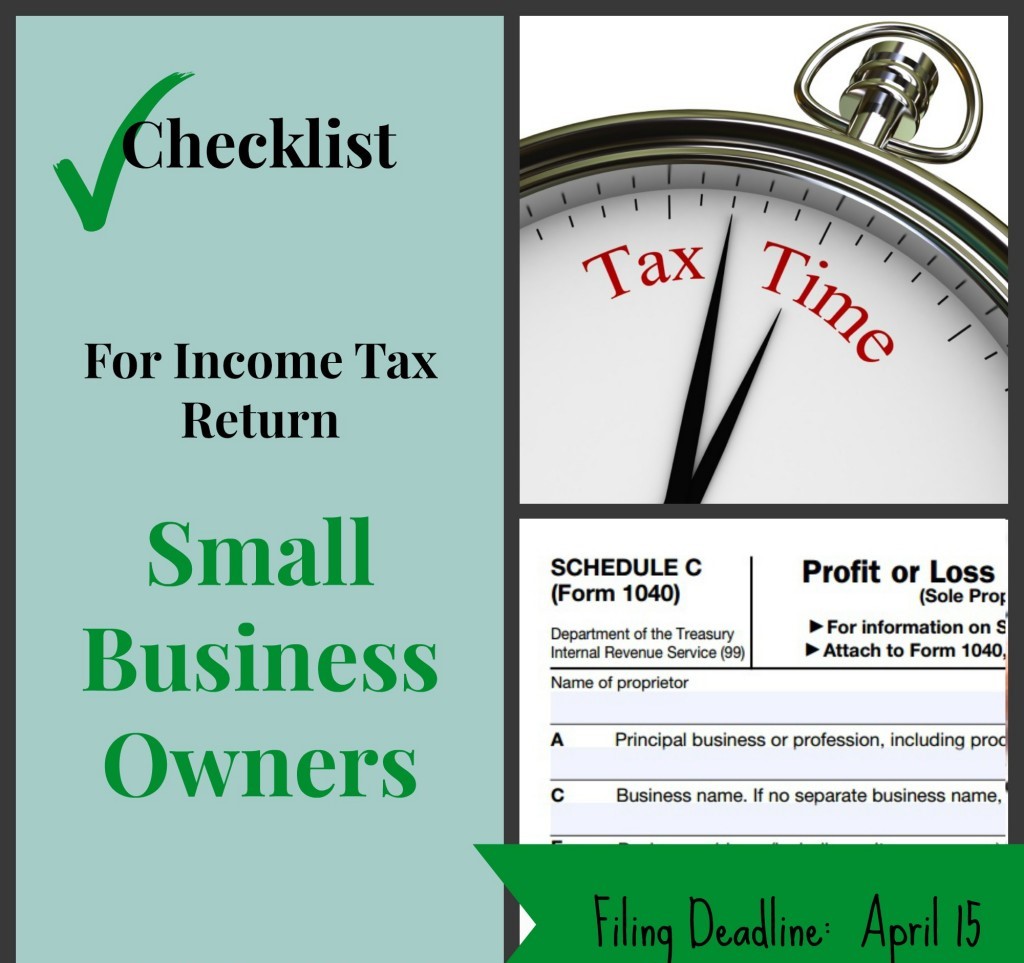
Quarterly Tax Planning Checklist for Small Businesses
Quarterly tax planning helps small businesses stay compliant, manage cash flow, and avoid IRS penalties. By reviewing income, expenses, and estimated tax obligations every quarter, business owners can reduce surprises at year-end and make smarter financial decisions throughout the year.
Overview
Small business owners often focus on annual tax filing, but effective tax planning happens quarterly. Regular check-ins allow businesses to track performance, adjust estimated payments, and capture deductions before deadlines pass. Quarterly planning is especially important for pass-through entities and self-employed individuals subject to estimated tax requirements.
Quarterly Tax Planning Checklist
1. Review Income and Revenue Trends
Compare current quarter income to previous periods to identify growth or declines. This helps determine whether estimated tax payments need adjustment.
2. Track and Categorize Expenses
Ensure all deductible expenses are recorded accurately, including:
- Office supplies and software
- Marketing and advertising
- Travel and vehicle expenses
- Professional fees
- Utilities and insurance
Proper categorization maximizes deductions and improves reporting accuracy.
3. Recalculate Estimated Tax Payments
Adjust quarterly payments based on actual income to avoid underpayment penalties or excessive overpayments.
4. Review Payroll and Contractor Payments
Confirm payroll taxes are paid correctly and verify that independent contractors are properly classified. Prepare for Form W-2 and 1099 reporting requirements.
5. Check Depreciation and Asset Purchases
Review equipment and property purchases to ensure depreciation deductions, Section 179, or bonus depreciation are applied correctly.
6. Evaluate Retirement Contributions
Quarterly reviews help business owners optimize SEP IRAs, Solo 401(k)s, or SIMPLE plans to reduce taxable income.
7. Monitor Sales Tax and State Obligations
Verify compliance with state and local tax filing requirements, including sales tax, franchise tax, or state estimated payments.
8. Maintain Organized Documentation
Ensure receipts, invoices, bank statements, and mileage logs are complete and accessible in case of audit or review.
Common Mistakes to Avoid
- Waiting until year-end to plan taxes
- Missing estimated tax deadlines
- Mixing personal and business expenses
- Failing to adjust tax strategy as income changes
Benefits of Quarterly Tax Planning
- Improved cash flow management
- Reduced tax penalties and interest
- Better forecasting and budgeting
- Fewer filing errors and audit risks
Conclusion
Quarterly tax planning is an essential practice for small businesses aiming to remain compliant and financially stable. By following a structured checklist each quarter, business owners can minimize tax liability, avoid surprises, and make informed decisions throughout the year.