
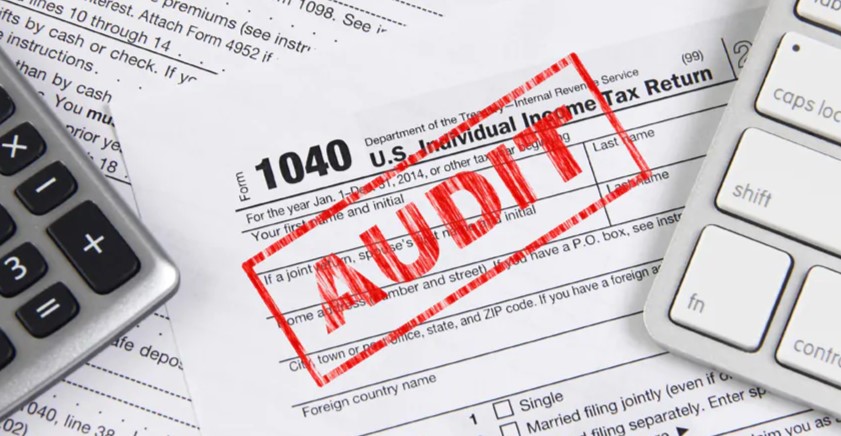
IRS Audit Triggers: Common Red Flags Taxpayers Should Avoid
An IRS audit can be time-consuming, stressful, and costly. While audits are relatively rare, certain patterns and reporting errors significantly increase the likelihood of IRS scrutiny. Understanding common audit triggers helps taxpayers file accurate returns, reduce risk, and stay compliant with federal tax laws.
Overview
The IRS uses automated systems and data matching tools to identify tax returns that deviate from expected norms. Returns that show inconsistencies, unusually high deductions, or mismatched income reports may be flagged for further review. Although an audit does not always indicate wrongdoing, it often requires extensive documentation and professional assistance.
High-Risk Audit Triggers
Unreported or Underreported Income
The IRS receives copies of Forms W-2, 1099-NEC, 1099-K, and 1099-INT. If reported income does not match IRS records, the return is likely to be flagged.
Common issues include:
- Omitting freelance or gig income
- Failing to report side business earnings
- Incorrectly excluding investment income
Excessive Business Deductions
Claiming deductions that are unusually high relative to reported income can attract attention, especially for sole proprietors and freelancers.
Examples include:
- Large home office deductions
- Excessive vehicle or travel expenses
- Personal expenses classified as business costs
Consistently Reporting Business Losses
Reporting losses year after year may cause the IRS to question whether the activity qualifies as a business or a hobby.
The IRS evaluates:
- Profit motive
- Time and effort invested
- History of income and losses
High Charitable Contributions
Charitable deductions that are disproportionately large compared to income may trigger review, particularly when:
- Non-cash donations are involved
- Required appraisals are missing
- Documentation is incomplete
Large Cash Transactions
Businesses dealing heavily in cash, such as restaurants or retail operations, face increased scrutiny due to underreporting risks.
Math Errors and Inconsistencies
Simple calculation mistakes, mismatched totals, or incorrect carryovers can lead to IRS notices or audits.
Filing Positions That Attract Attention
- Claiming 100% business use of a vehicle
- Reporting unusually low income for a specific profession
- Excessive credits or refundable claims
- Large discrepancies from prior-year returns
How to Reduce Audit Risk
- Report All Income Accurately
Match tax returns to IRS-reported documents. - Keep Detailed Records
Maintain receipts, mileage logs, and financial statements. - Avoid Aggressive Deductions
Claim only legitimate, well-documented expenses. - File Complete and Accurate Returns
Double-check figures and schedules before filing. - Work With a Tax Professional
Professional preparation reduces errors and improves compliance.
What to Do If You Are Audited
- Respond promptly to IRS notices
- Provide only requested documentation
- Maintain professional communication
- Seek representation if necessary
Most audits are correspondence-based and resolved without in-person meetings.
Conclusion
Understanding IRS audit triggers empowers taxpayers to file compliant, accurate returns while minimizing risk. Proper reporting, documentation, and strategic tax planning significantly reduce the likelihood of IRS scrutiny and help protect financial stability.